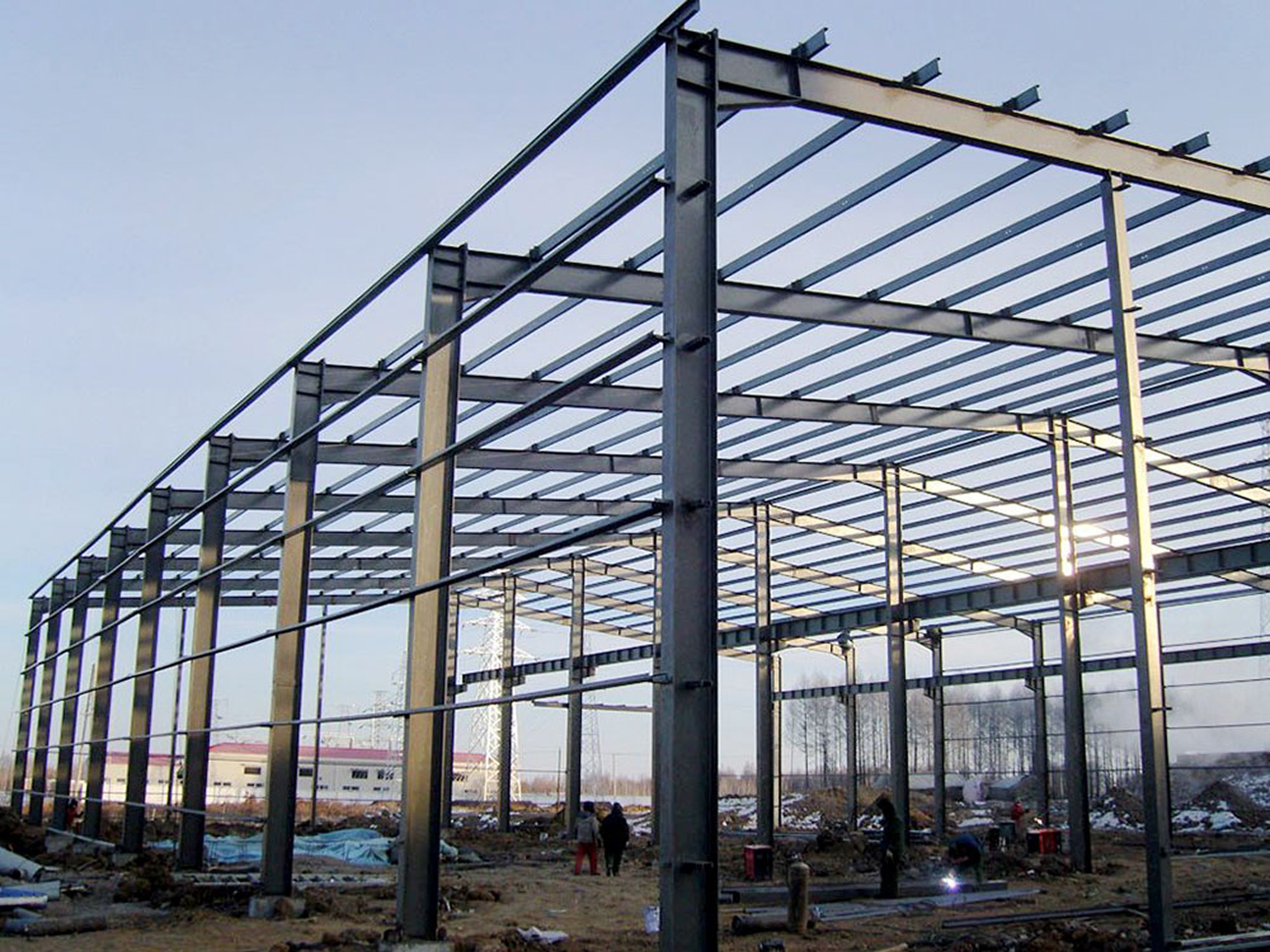
What a Steel Fabricator Can (and Can't) Do for Your Project
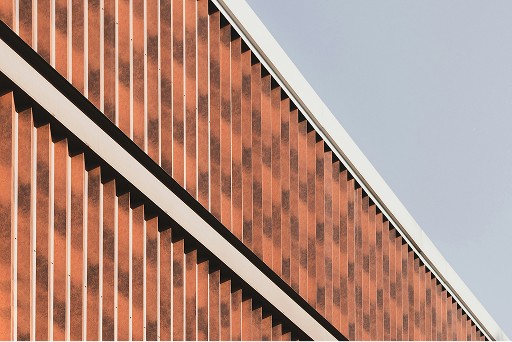
February 9, 2026
February 9, 2026
8 min
8 min
Steelworks team
Steelworks team


What a Steel Fabricator Does
A custom steel fabricator takes raw steel and transforms it into precise, project specific components. This work sits between design intent and physical execution, requiring both technical judgment and an eye for finish and proportion.
Most fabrication work involves architectural steel elements such as stairs, railings, guards, exposed structural accents, and custom brackets or frames. These pieces are built to exact dimensions and installation conditions. They are not off the shelf products, and small decisions in fabrication often have a large impact on how the final piece looks and performs.
Fabricators also produce custom furniture and fixtures, including tables, shelving, bases, and built in elements for residential, commercial, and hospitality spaces. In these cases, steel often works in dialogue with wood, stone, or glass. The goal is structural integrity and visual restraint, not visual dominance.
An important part of fabrication is material selection and method. A professional steel fabricator helps determine the appropriate steel type, thickness, and joinery based on how the piece will be used and seen. Welding approach, tolerances, and surface preparation all factor into durability and finish quality, especially when steel remains exposed.
What a Steel Fabricator Typically Does Not Do
Just as important as understanding what is included is knowing what usually falls outside a fabricator’s role.
Most steel fabricators do not provide structural engineering services. They can build from engineered drawings and coordinate closely with engineers, but they generally do not produce stamped calculations or take responsibility for load design. For stairs, railings, or structural elements, engineering typically happens before fabrication begins.
Custom fabricators are also not steel suppliers or mass manufacturers. They do not sell raw steel to the public, and they are not set up to compete on price with factories producing hundreds of identical parts. Their value lies in precision, customization, and accountability, not volume.
In addition, fabrication is not the same as general contracting. While some shops offer installation, they are usually not managing entire construction projects or coordinating multiple trades. Their focus remains on steel, not finish carpentry or full build oversight.
When to Involve a Steel Fabricator
One of the most common issues in steel projects comes from waiting too long to involve fabrication. Steel is often treated as something that can be solved after drawings are finalized, when in reality many design decisions depend on fabrication realities.
Bringing a fabricator into the conversation during design development helps align dimensions, connections, and finishes before they are locked in. Early coordination reduces redesign, keeps costs predictable, and results in steel that feels intentional rather than forced into place.
Is Your Project a Good Fit for Custom Steel Fabrication
Custom steel fabrication makes the most sense when a project requires precise, made to measure components and when the steel itself is visible or design forward. It is also a good fit when longevity, fit, and finish matter more than finding the lowest possible price.
Projects that are purely conceptual, highly speculative, or focused on mass produced components often need additional clarity before fabrication becomes the right next step.
Working With a Nashville Steel Fabricator
Every region has its own realities around material availability, lead times, and coordination with builders. Working with a Nashville steel fabricator who understands local suppliers, codes, and construction workflows helps projects move more smoothly from design to installation.
The strongest results come when fabrication is treated as part of the design process itself, not as a final step. When steel is considered early and executed with care, it supports the architecture quietly and confidently.
What a Steel Fabricator Does
A custom steel fabricator takes raw steel and transforms it into precise, project specific components. This work sits between design intent and physical execution, requiring both technical judgment and an eye for finish and proportion.
Most fabrication work involves architectural steel elements such as stairs, railings, guards, exposed structural accents, and custom brackets or frames. These pieces are built to exact dimensions and installation conditions. They are not off the shelf products, and small decisions in fabrication often have a large impact on how the final piece looks and performs.
Fabricators also produce custom furniture and fixtures, including tables, shelving, bases, and built in elements for residential, commercial, and hospitality spaces. In these cases, steel often works in dialogue with wood, stone, or glass. The goal is structural integrity and visual restraint, not visual dominance.
An important part of fabrication is material selection and method. A professional steel fabricator helps determine the appropriate steel type, thickness, and joinery based on how the piece will be used and seen. Welding approach, tolerances, and surface preparation all factor into durability and finish quality, especially when steel remains exposed.
What a Steel Fabricator Typically Does Not Do
Just as important as understanding what is included is knowing what usually falls outside a fabricator’s role.
Most steel fabricators do not provide structural engineering services. They can build from engineered drawings and coordinate closely with engineers, but they generally do not produce stamped calculations or take responsibility for load design. For stairs, railings, or structural elements, engineering typically happens before fabrication begins.
Custom fabricators are also not steel suppliers or mass manufacturers. They do not sell raw steel to the public, and they are not set up to compete on price with factories producing hundreds of identical parts. Their value lies in precision, customization, and accountability, not volume.
In addition, fabrication is not the same as general contracting. While some shops offer installation, they are usually not managing entire construction projects or coordinating multiple trades. Their focus remains on steel, not finish carpentry or full build oversight.
When to Involve a Steel Fabricator
One of the most common issues in steel projects comes from waiting too long to involve fabrication. Steel is often treated as something that can be solved after drawings are finalized, when in reality many design decisions depend on fabrication realities.
Bringing a fabricator into the conversation during design development helps align dimensions, connections, and finishes before they are locked in. Early coordination reduces redesign, keeps costs predictable, and results in steel that feels intentional rather than forced into place.
Is Your Project a Good Fit for Custom Steel Fabrication
Custom steel fabrication makes the most sense when a project requires precise, made to measure components and when the steel itself is visible or design forward. It is also a good fit when longevity, fit, and finish matter more than finding the lowest possible price.
Projects that are purely conceptual, highly speculative, or focused on mass produced components often need additional clarity before fabrication becomes the right next step.
Working With a Nashville Steel Fabricator
Every region has its own realities around material availability, lead times, and coordination with builders. Working with a Nashville steel fabricator who understands local suppliers, codes, and construction workflows helps projects move more smoothly from design to installation.
The strongest results come when fabrication is treated as part of the design process itself, not as a final step. When steel is considered early and executed with care, it supports the architecture quietly and confidently.

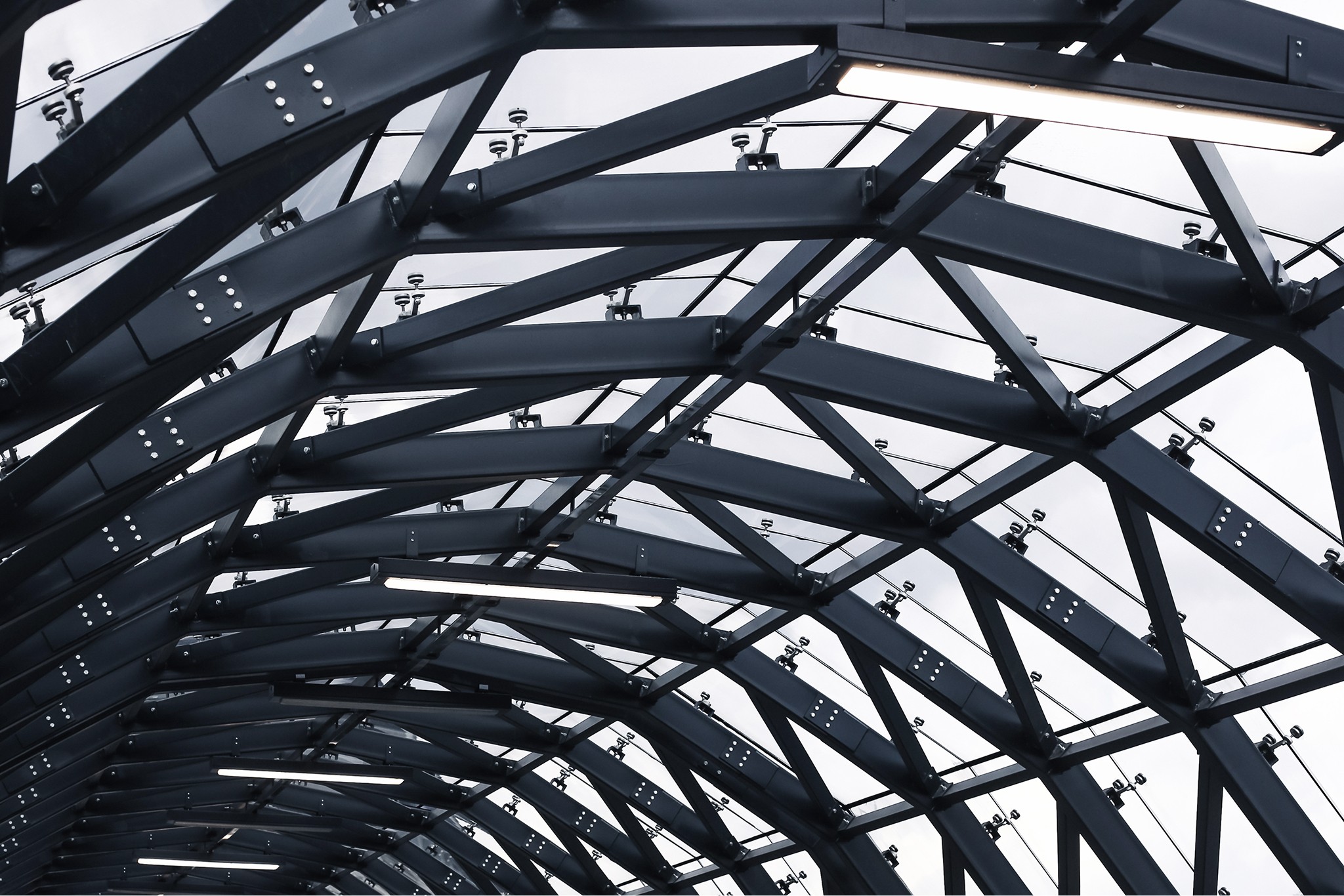
Ready to Start Your Project?
Send us your drawings and project details for a fast, accurate quote. Our team reviews every submission with the same precision and care we bring to the shop floor.

Ready to Start Your Project?
Send us your drawings and project details for a fast, accurate quote. Our team reviews every submission with the same precision and care we bring to the shop floor.

Ready to Start Your Project?
Send us your drawings and project details for a fast, accurate quote. Our team reviews every submission with the same precision and care we bring to the shop floor.