
Blog
Steelworks blog

Articles about steel, construction, and the materials that shape your projects.
Steel is rarely the focus of a project, but it’s almost always central to how that project performs. Long before a building takes shape, decisions about steel grades, tolerances, finishes, and processing quietly influence cost, schedule, constructability, and longevity. Those decisions are often made across multiple disciplines like design, engineering, procurement, and construction, and each with different priorities and constraints.
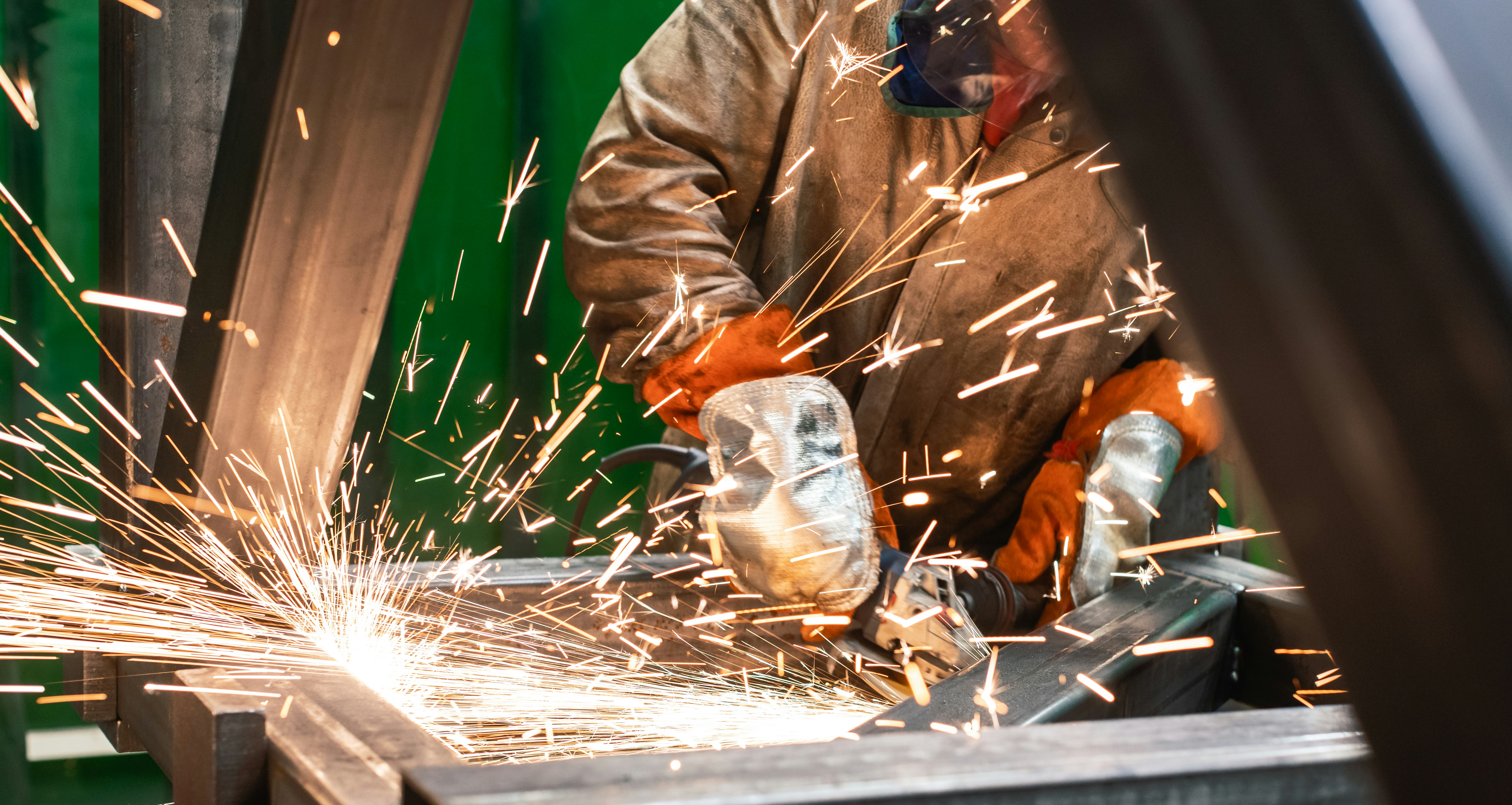
From the vantage point of a steel supplier and fabricator, we see how drawings translate into material, how specifications meet real-world availability, and how small assumptions can ripple through a project once steel reaches the yard, the shop, or the jobsite. Our perspective is less about theory and more about what actually happens when design intent becomes physical material.
Here we share practical insights into how steel functions within the broader built environment, and how informed material decisions can reduce friction, control costs, and keep projects moving forward. Sometimes that means diving into specifics like cutting methods or tolerances, other times it means stepping back to look at how steel interacts with architecture, engineering, and construction workflows as a whole.
Whether you’re a general contractor, architect, engineer, or fabricator, we hope our blog offers useful perspective on the material decisions that shape your projects.