Laser Cutting vs. Plasma vs. Waterjet: Which Steel Cutting Method Is Right?
December 1, 2025
December 1, 2025
5 minute read
5 minute read
Steelworks
Steelworks


Laser Cutting vs. Plasma vs. Waterjet: Which Steel Cutting Method Is Right?
Choosing the right steel cutting method has a direct impact on cost, tolerances, and project timelines. For general contractors and project managers, understanding the practical differences between laser cutting, plasma cutting, and waterjet cutting helps prevent over-specifying precision where it isn’t needed—or under-specifying where it matters.
Each cutting method solves a different problem.
Laser Cutting: Precision and Repeatability
Laser cutting is valued for its accuracy and consistency. It produces clean edges and tight tolerances, making it well suited for components that require precise fit or will remain exposed in finished construction.
Because laser cutting excels on thin to medium-gauge steel and complex geometries, it is often used for architectural steel, connection plates, and detailed parts. However, that precision comes at a higher cost, and for many structural applications it can be more capability than the project actually requires.
Plasma Cutting: Speed and Practicality
Plasma cutting is widely used in commercial and industrial construction because it cuts thicker steel quickly and efficiently. While edge finish and tolerances are looser than laser cutting, plasma is often the most practical option for structural components where speed, material thickness, and cost control are higher priorities than fine detail.
In many commercial projects, plasma cutting offers the best balance between performance and budget, particularly when minor edge cleanup is acceptable or expected downstream.
Waterjet Cutting: Heat-Free Flexibility
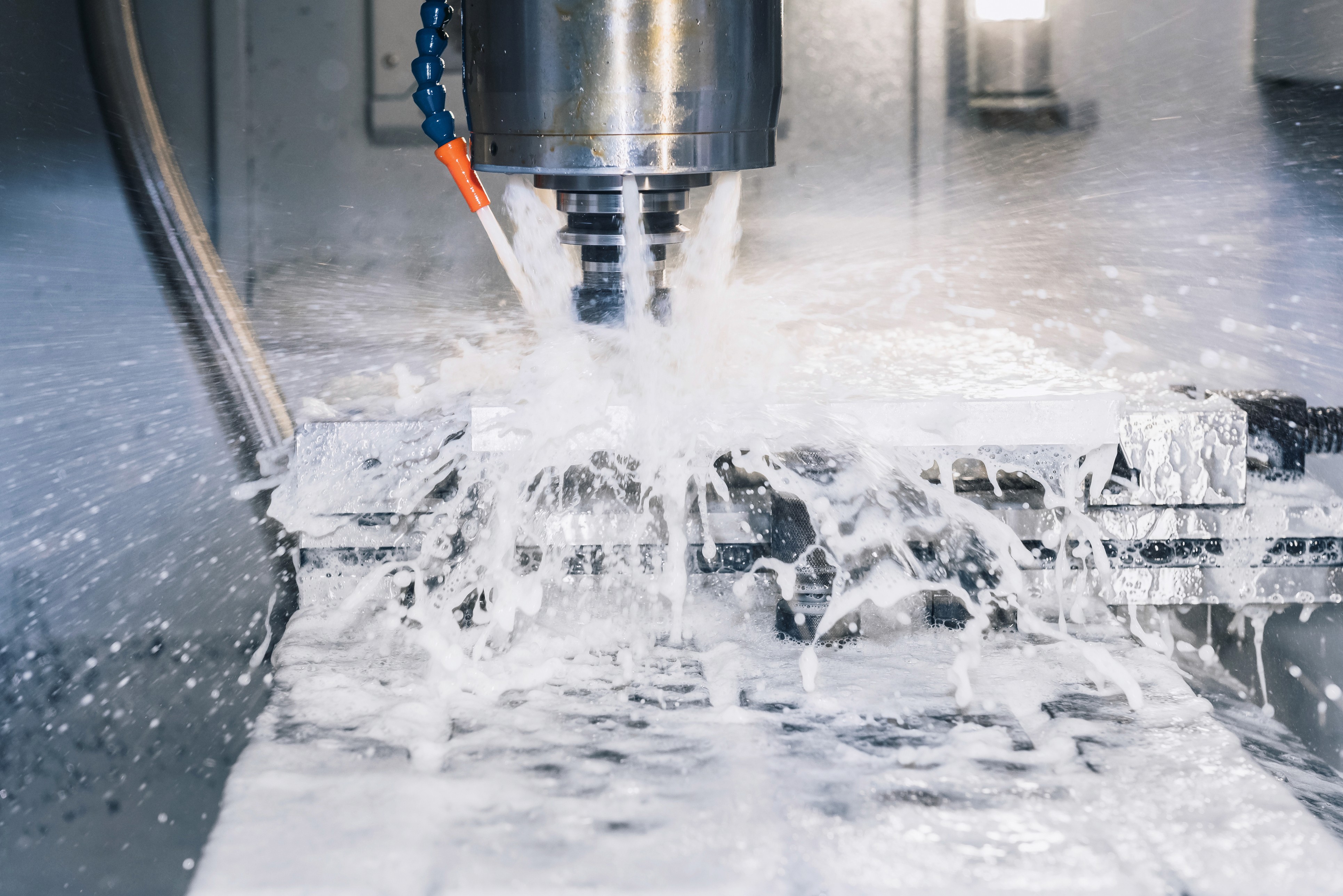
Waterjet cutting uses high-pressure water to cut steel without introducing heat, which means there is no heat-affected zone and no risk of thermal distortion. This makes it valuable for specialty materials, thicker plate, or applications where material properties must remain unchanged.
That flexibility comes with tradeoffs. Waterjet cutting is slower and typically more expensive than plasma, and it is rarely necessary for standard structural steel used in commercial construction.
Choosing the Right Method for the Job
For general contractors, the most efficient projects align the cutting method with the actual performance requirements of the part. Tolerances, material thickness, whether steel will be exposed, and overall schedule all play a role. Over-specifying precision can inflate costs, while under-specifying can lead to fit issues and rework.
Working with a steel service center that offers laser, plasma, and waterjet cutting helps ensure the method is chosen based on the project—not just habit or assumption.
If you’re sourcing cut steel in Nashville or across the Southeast, we’re happy to review drawings and recommend the most appropriate cutting approach for your timeline and budget.
Laser Cutting vs. Plasma vs. Waterjet: Which Steel Cutting Method Is Right?
Choosing the right steel cutting method has a direct impact on cost, tolerances, and project timelines. For general contractors and project managers, understanding the practical differences between laser cutting, plasma cutting, and waterjet cutting helps prevent over-specifying precision where it isn’t needed—or under-specifying where it matters.
Each cutting method solves a different problem.
Laser Cutting: Precision and Repeatability
Laser cutting is valued for its accuracy and consistency. It produces clean edges and tight tolerances, making it well suited for components that require precise fit or will remain exposed in finished construction.
Because laser cutting excels on thin to medium-gauge steel and complex geometries, it is often used for architectural steel, connection plates, and detailed parts. However, that precision comes at a higher cost, and for many structural applications it can be more capability than the project actually requires.
Plasma Cutting: Speed and Practicality
Plasma cutting is widely used in commercial and industrial construction because it cuts thicker steel quickly and efficiently. While edge finish and tolerances are looser than laser cutting, plasma is often the most practical option for structural components where speed, material thickness, and cost control are higher priorities than fine detail.
In many commercial projects, plasma cutting offers the best balance between performance and budget, particularly when minor edge cleanup is acceptable or expected downstream.
Waterjet Cutting: Heat-Free Flexibility
Waterjet cutting uses high-pressure water to cut steel without introducing heat, which means there is no heat-affected zone and no risk of thermal distortion. This makes it valuable for specialty materials, thicker plate, or applications where material properties must remain unchanged.
That flexibility comes with tradeoffs. Waterjet cutting is slower and typically more expensive than plasma, and it is rarely necessary for standard structural steel used in commercial construction.
Choosing the Right Method for the Job
For general contractors, the most efficient projects align the cutting method with the actual performance requirements of the part. Tolerances, material thickness, whether steel will be exposed, and overall schedule all play a role. Over-specifying precision can inflate costs, while under-specifying can lead to fit issues and rework.
Working with a steel service center that offers laser, plasma, and waterjet cutting helps ensure the method is chosen based on the project—not just habit or assumption.
If you’re sourcing cut steel in Nashville or across the Southeast, we’re happy to review drawings and recommend the most appropriate cutting approach for your timeline and budget.

Join the renewable energy movement with Sunergy.
Discover sustainable solutions that reduce costs and environmental impact. Take the first step today!

Join the renewable energy movement with Sunergy.
Discover sustainable solutions that reduce costs and environmental impact. Take the first step today!

Join the renewable energy movement with Sunergy.
Discover sustainable solutions that reduce costs and environmental impact. Take the first step today!